
How Fitness Professionals Can Help Female Clients Meet Their Protein Goals
08/06/2026 / by fitli
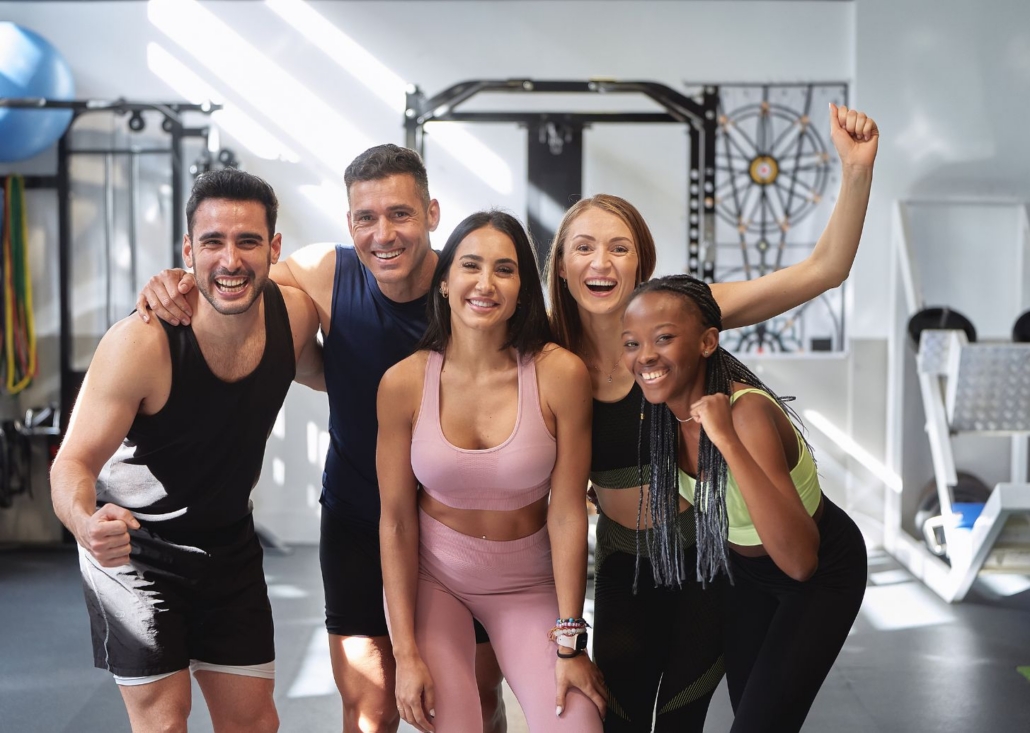
How Fitness Professionals Can Help Female Clients Meet Their Protein Goals
As a fitness professional, your role extends far beyond leading workouts. Every day, clients look to you for guidance on everything from exercise technique and recovery to building sustainable, healthy habits. One topic that often comes up, especially among female clients, is protein.
Questions like “Am I eating enough protein?”, “Will eating more protein make me bulky?”, and “Do I really need a protein supplement?” are common. While nutrition advice should always stay within your scope of practice, having a solid understanding of protein can help you educate clients, address common misconceptions, and support them in reaching their fitness goals.
Protein plays a vital role in muscle recovery, strength development, and overall health, making it an important part of any well-rounded fitness journey. In this guide, we’ll explore why protein matters for women, how much they may need based on their activity level, and how fitness professionals can help clients make informed nutrition choices with confidence.
Why Protein Matters for Women
Protein is an essential macronutrient for everyone, but it plays a particularly important role for women who are looking to improve their overall health, support an active lifestyle, or achieve specific fitness goals. Whether a client is attending Pilates classes, lifting weights, practicing yoga, or simply trying to become more active, adequate protein intake helps support the body’s ability to recover, adapt, and perform.
One of protein’s primary functions is repairing and rebuilding muscle tissue after exercise. Every workout places stress on the muscles, creating microscopic tears that the body repairs during recovery. Protein provides the amino acids needed for this process, helping muscles recover, grow stronger, and better prepare for future training sessions.
Beyond muscle recovery, protein contributes to several other important functions. It supports the production of enzymes and hormones, helps maintain healthy skin, hair, and nails, contributes to immune function, and can promote greater satiety, helping clients feel fuller for longer between meals.
For women, maintaining adequate muscle mass becomes increasingly important with age. Strength training combined with sufficient protein intake can help preserve lean muscle, support bone health, improve balance and mobility, and contribute to long-term physical independence.
As a fitness professional, understanding these benefits allows you to educate clients with confidence. While nutrition recommendations should remain within your scope of practice, explaining why protein matters can help clients make more informed decisions and better support the work they’re already putting in during training sessions.
Common Protein Myths Female Clients Believe
Despite growing awareness around strength training and nutrition, many women still have misconceptions about protein. As a fitness professional, you’re often one of the first people clients turn to with questions about their diet, making it important to separate fact from fiction.
Myth #1: “Eating More Protein Will Make Me Bulky”
This is one of the most common concerns among female clients. In reality, building significant muscle mass requires a combination of progressive strength training, consistent nutrition, and time. Simply increasing protein intake won’t cause women to become “bulky.” Instead, adequate protein supports muscle recovery and helps develop lean muscle, contributing to improved strength and body composition.
Myth #2: “Protein Is Only Important If I Lift Weights”
While resistance training increases protein needs, it’s beneficial for women participating in all forms of physical activity. Whether a client enjoys yoga, Pilates, dance, running, or recreational sports, protein helps repair tissues, supports recovery, and contributes to overall health.
Myth #3: “Protein Powder Is Better Than Whole Foods”
Whole food sources should always form the foundation of a healthy diet. Foods like eggs, lean meats, dairy products, legumes, tofu, and fish provide not only protein but also essential vitamins and minerals. Protein supplements can be a convenient option for some individuals, but they are meant to supplement a balanced diet, not replace it.
Myth #4: “I Only Need Protein After a Workout”
While post-workout nutrition is important, protein intake throughout the day plays a much bigger role in supporting muscle maintenance and recovery. Encouraging clients to consume adequate protein across multiple meals can be just as valuable as discussing post-workout nutrition.
Helping clients understand these common misconceptions can build confidence in their nutrition choices and reinforce the importance of consistency. As always, if clients require individualized nutrition advice or have specific medical concerns, referring them to a registered dietitian or qualified nutrition professional is the best course of action.
How Much Protein Do Women Really Need?
One of the most common questions fitness professionals hear is, “How much protein should I be eating?” While there’s no one-size-fits-all answer, protein needs vary based on a person’s activity level, fitness goals, age, and overall health.
The Recommended Dietary Allowance (RDA) for healthy adults is 0.8 grams of protein per kilogram of body weight per day. However, this recommendation is intended to prevent deficiency and may not be sufficient for individuals who exercise regularly or are working toward specific fitness goals.
General guidelines commonly recommended by sports nutrition professionals include:
|
Activity Level |
Daily Protein Intake |
|
Sedentary women |
0.8 g/kg |
|
Recreationally active women |
1.2–1.6 g/kg |
|
Women who regularly participate in resistance training |
1.4–2.0 g/kg |
|
Women aiming to maintain muscle while losing body fat |
1.5–2.0 g/kg |
These recommendations should be viewed as general guidelines rather than strict rules. Individual requirements can vary based on factors such as training intensity, body composition goals, and overall health.
As a fitness professional, understanding these ranges allows you to have more informed conversations with clients. While developing individualized nutrition plans falls within the scope of registered dietitians and qualified nutrition professionals, helping clients understand the importance of meeting their protein needs can complement the work you’re already doing in the gym or studio.
Whole Foods First, Supplements When They Make Sense
For most women, meeting daily protein needs through whole foods is entirely achievable with a balanced diet. Lean meats, fish, eggs, Greek yogurt, cottage cheese, tofu, lentils, beans, edamame, and dairy products are all excellent sources of protein that also provide essential vitamins, minerals, and other nutrients.
That said, consistency can sometimes be more challenging than knowing what to eat. Busy work schedules, travel, family commitments, and meal preparation can make it difficult for clients to consume enough protein throughout the day. In these situations, convenience often becomes the biggest barrier, not motivation.
This is where protein supplements can be a practical addition to a well-balanced diet. Rather than replacing nutritious meals, a quality whey protein supplement can help bridge nutritional gaps when whole food options aren’t readily available or when clients need a quick, convenient source of protein after a workout or while on the go.
When recommending supplements, encourage clients to look beyond marketing claims. Reading the nutrition label, checking the protein content per serving, reviewing the ingredient list, and choosing products that undergo third-party testing can help them make informed decisions. If you’re looking for a convenient option to recommend, True North Protein’s whey protein powders are formulated to provide high-quality protein that can help active individuals meet their daily protein goals while fitting easily into a busy lifestyle.
Ultimately, the goal isn’t to convince clients that they need protein powder, it’s to help them find sustainable ways to consistently meet their protein requirements. Whether that’s through whole foods, supplements, or a combination of both, consistency will always have a greater impact than striving for perfection.
Helping Female Clients Build Better Nutrition Habits
For many women, understanding protein isn’t the biggest challenge, consistently applying that knowledge is. As a fitness professional, you’re in a unique position to encourage healthy habits, answer general questions, and reinforce the importance of nutrition alongside regular exercise.
Start by creating an environment where clients feel comfortable asking questions. Many women have been exposed to conflicting nutrition advice online, so taking the time to address common misconceptions can help build trust and confidence. Even simple conversations about the role of protein in recovery and overall health can have a meaningful impact on long-term success.
Consistency is another key factor. Encourage clients to focus on sustainable habits rather than striving for perfection. Small changes—such as including a source of protein with each meal or planning ahead for busy days—are often more achievable than making dramatic dietary changes all at once.
Finally, remember that nutrition guidance should always stay within your scope of practice. While fitness professionals can educate clients on general nutrition principles and healthy habits, individuals with medical conditions, dietary restrictions, or specific nutrition goals should be referred to a registered dietitian or other qualified nutrition professional for personalized advice.
By combining evidence-based education with ongoing encouragement, you can help clients develop healthier habits that support both their workouts and their long-term well-being.
Consistency Doesn’t End When the Session Does
Helping clients achieve their fitness goals goes beyond what happens during a training session. Consistent communication, accountability, and routine all play an important role in keeping clients engaged and motivated between visits.
That’s where the right studio management software can make a difference. Instead of relying on manual follow-ups, fitness professionals can automate appointment reminders, schedule recurring sessions, and keep clients informed through email and in-app notifications. These small touchpoints help clients stay committed to their routines while reducing the administrative burden on trainers and studio owners.
Fitli brings these tools together in one easy-to-use platform. From online scheduling and recurring bookings to automated reminders and client communication, Fitli helps fitness businesses spend less time on administrative tasks and more time delivering exceptional client experiences.
When combined with expert coaching and sound nutrition education, the right technology can help create the consistency clients need to build healthier, long-lasting habits.
Final Thoughts
Protein is an essential part of a healthy, active lifestyle, and fitness professionals play an important role in helping clients better understand its benefits. By addressing common misconceptions, encouraging sustainable nutrition habits, and knowing when to refer clients to a qualified nutrition professional, you can empower women to make informed decisions that support their long-term health and fitness goals.
While whole foods should remain the foundation of a balanced diet, high-quality protein supplements can be a convenient way for some clients to meet their daily protein needs. Whey protein powders can help bridge nutritional gaps when whole food options aren’t practical.
Supporting clients doesn’t stop with nutrition education. Building consistency through regular communication, scheduled sessions, and ongoing accountability is just as important. With Fitli’s scheduling and studio management tools, fitness professionals can streamline their day-to-day operations while staying connected with clients every step of their fitness journey.

Tags: booking software, class scheduling software, fitli scheduling software